
Inverse Operations Calculator
Understanding inverse operations is a fundamental part of mathematics. Whether you're solving algebra equations, checking exponent rules, or verifying trigonometric values, inverse operations help you confirm your answers quickly and accurately.
Our Inverse Operations Calculator allows you to compute and verify:
- Addition ↔ Subtraction
- Multiplication ↔ Division
- Exponents ↔ Roots
- Exponentials ↔ Logarithms
- Trigonometric ↔ Inverse Trigonometric Functions
It not only calculates the result but also shows the inverse operation and verification step — making it perfect for students, teachers, and anyone reviewing math concepts.
What Are Inverse Operations?
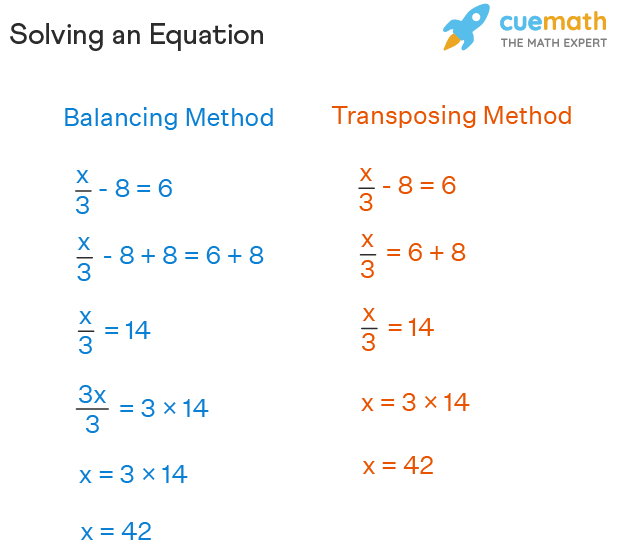
Inverse operations are operations that undo each other.
For example:
- Addition is undone by subtraction
- Multiplication is undone by division
- Exponents are undone by roots
- Logarithms undo exponentials
- Sine is undone by arcsine
They are essential in solving equations and verifying results.
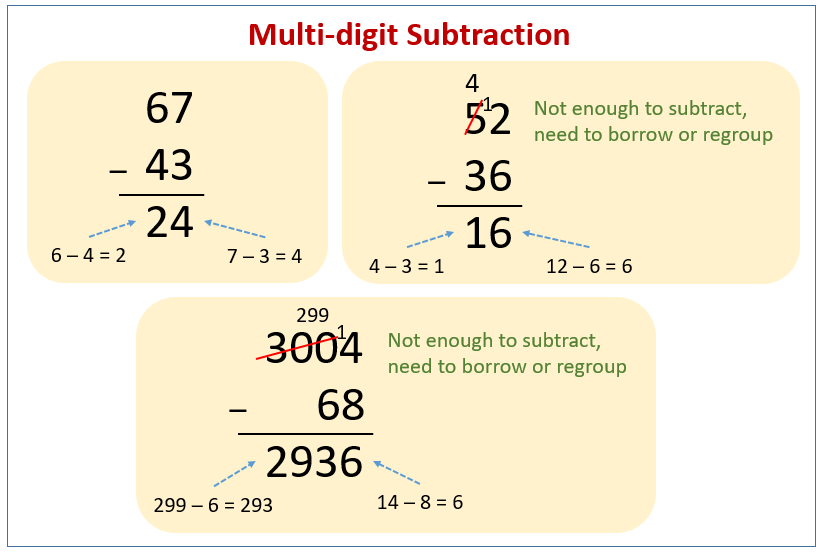
1. Addition and Subtraction

4
Example:
If:
5 + 3 = 8
Inverse operation:
8 − 3 = 5
The subtraction verifies the original addition.
This is commonly used in algebra to isolate variables.
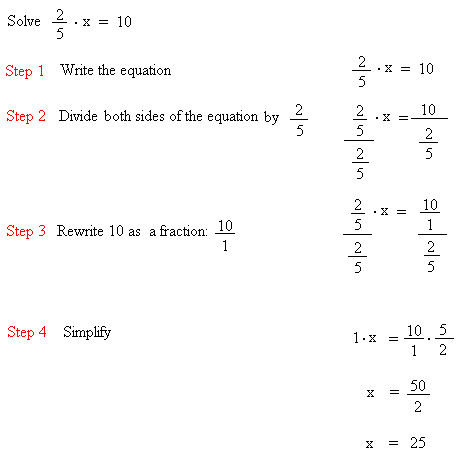
2. Multiplication and Division


4
Example:
6 × 4 = 24
Inverse operation:
24 ÷ 4 = 6
Division reverses multiplication and confirms accuracy.
Important note: Division by zero is undefined.
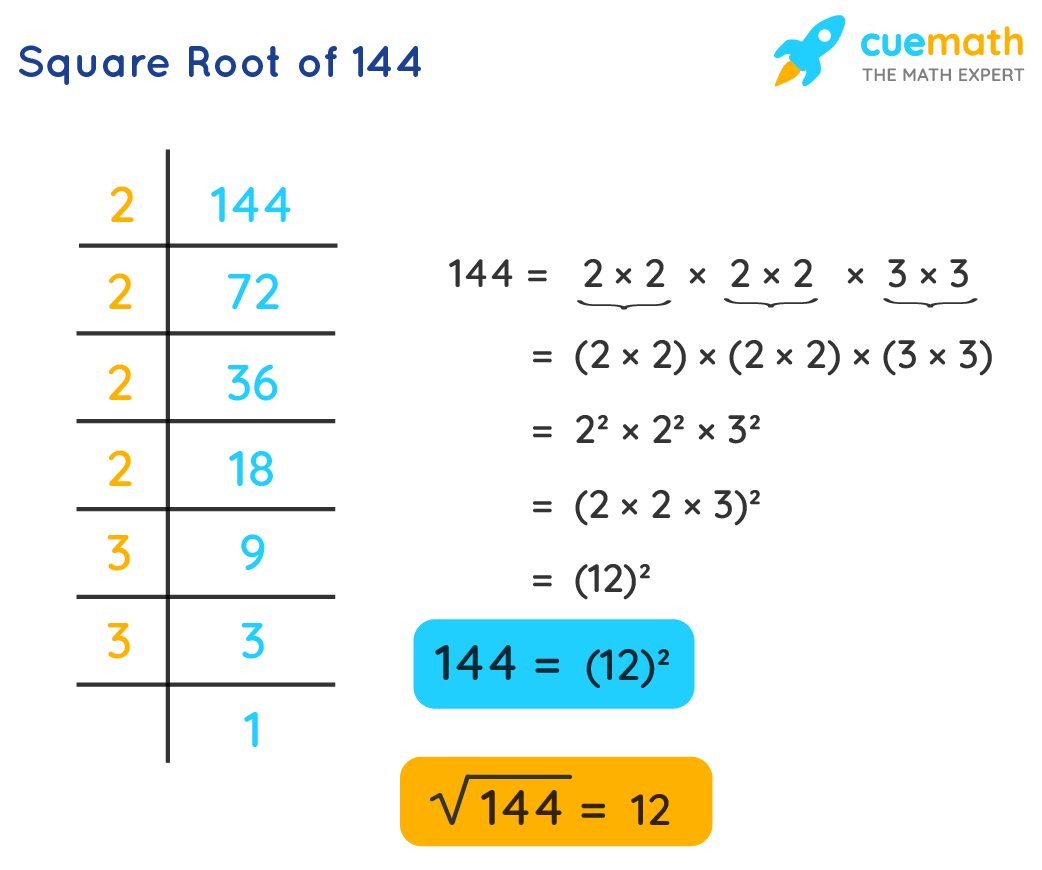
3. Exponents and Roots


4
Example:
2³ = 8
Inverse operation:
³√8 = 2
Taking the nth root reverses exponentiation.
This concept is heavily used in algebra and calculus.
4. Exponentials and Logarithms

4
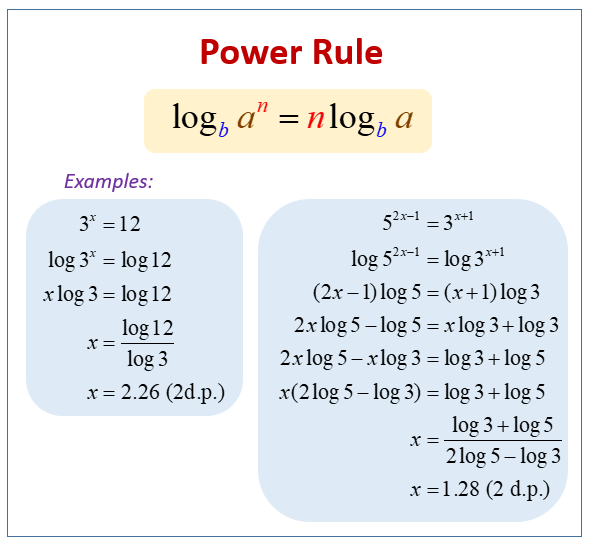
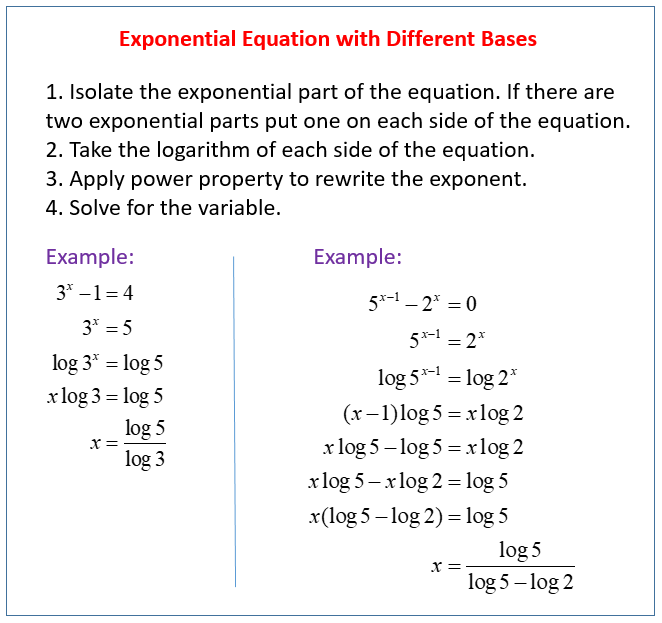
Logarithms are the inverse of exponential functions.
Example:
10² = 100
Inverse operation:
log₁₀(100) = 2
The calculator allows you to choose any base (except 1).
Rules:
- Base must be positive
- Base cannot equal 1
- Value must be positive
5. Trigonometric and Inverse Trigonometric Functions

4
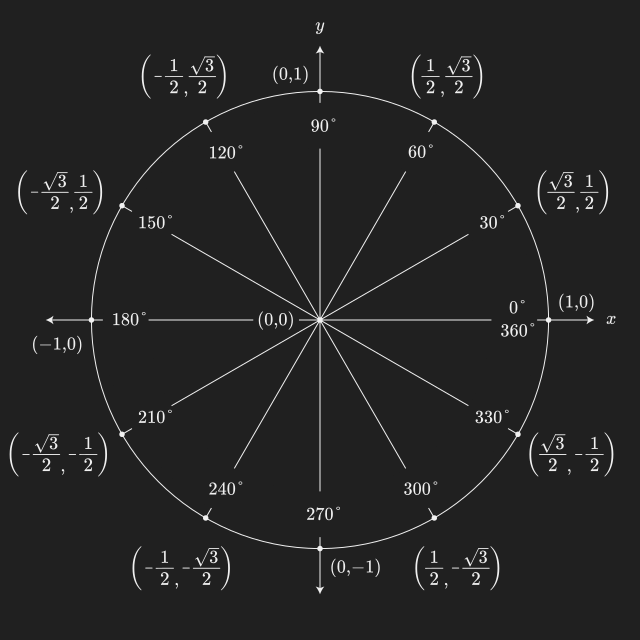
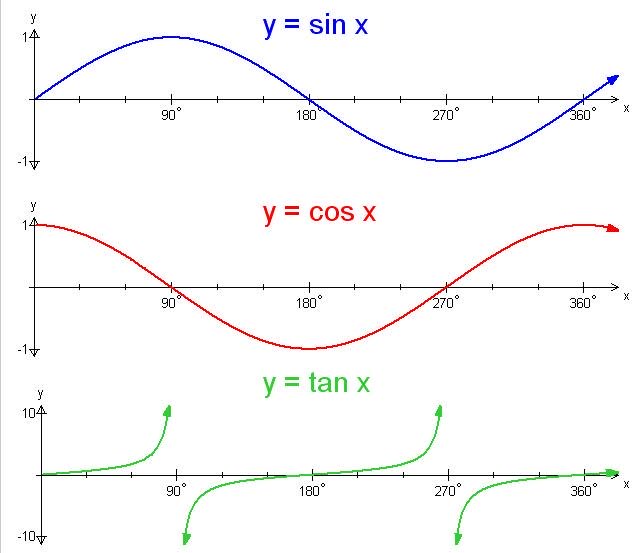
Trigonometric functions use angles, while inverse trig functions return angles.
Example:
sin(30°) = 0.5
Inverse:
arcsin(0.5) = 30°
The calculator converts degrees to radians internally and verifies the result.
Functions supported:
- Sine (sin) ↔ arcsin
- Cosine (cos) ↔ arccos
- Tangent (tan) ↔ arctan
How to Use the Inverse Operations Calculator
Step 1: Select Operation Type
Choose from addition, multiplication, exponent, logarithm, or trigonometric.
Step 2: Enter Values
Depending on the operation:
- Enter two numbers
- Enter base for logarithm
- Enter angle for trig
Step 3: Click Calculate
The calculator displays:
- Original operation
- Result
- Inverse operation
- Verification step
It confirms whether the inverse returns the original value.
Why Inverse Operations Matter
Inverse operations are critical in:
- Solving algebra equations
- Checking homework
- Standardized test preparation
- Calculus foundations
- Scientific calculations
- Engineering mathematics
Without inverse operations, isolating variables would be impossible.
Real-World Applications
Inverse math operations are used in:
- Physics equations
- Financial growth calculations
- Computer algorithms
- Signal processing
- Data analysis
Logarithms and exponentials, in particular, are heavily used in science and engineering.
Common Mistakes to Avoid
- Dividing by zero
- Using log base 1 (undefined)
- Forgetting angle units (degrees vs radians)
- Ignoring negative root cases
- Rounding too early
This calculator helps prevent those mistakes by validating inputs automatically.
Frequently Asked Questions (FAQs)
1. What is an inverse operation?
It is an operation that reverses another operation.
2. Why are inverse operations important?
They help solve and verify equations.
3. Can this calculator solve equations?
It verifies operations and shows inverse results.
4. What is the inverse of multiplication?
Division.
5. What is the inverse of exponentiation?
Taking roots or logarithms.
6. Why can't the logarithm base be 1?
Because log base 1 is undefined.
7. Does the trig calculator use degrees?
Yes, it accepts angles in degrees.
8. Can I use decimals?
Yes, decimal inputs are supported.
9. Does it show verification?
Yes, it verifies the result using the inverse.
10. Is it good for students?
Absolutely.
Final Thoughts
Mastering inverse operations is essential for success in mathematics. Whether you're working with basic arithmetic or advanced trigonometry, understanding how operations reverse each other builds strong problem-solving skills.
Our Inverse Operations Calculator makes learning and verifying math easier than ever. Use it to check your answers, explore mathematical relationships, and strengthen your understanding of core math concepts.