
Stair Builder Calculator
Building stairs requires precision. Even small measurement errors can lead to unsafe steps, failed inspections, or wasted materials.
Our Stair Builder Calculator helps you quickly determine:
- Number of steps
- Rise per step
- Run per step (tread depth)
- Stair angle
- Stringer length
- Vertical & horizontal stringer cuts
- Minimum stringer width required
- Building code compliance
Whether you’re a contractor, carpenter, or DIY builder, this tool simplifies the math so you can build with confidence.
Stair Components Explained
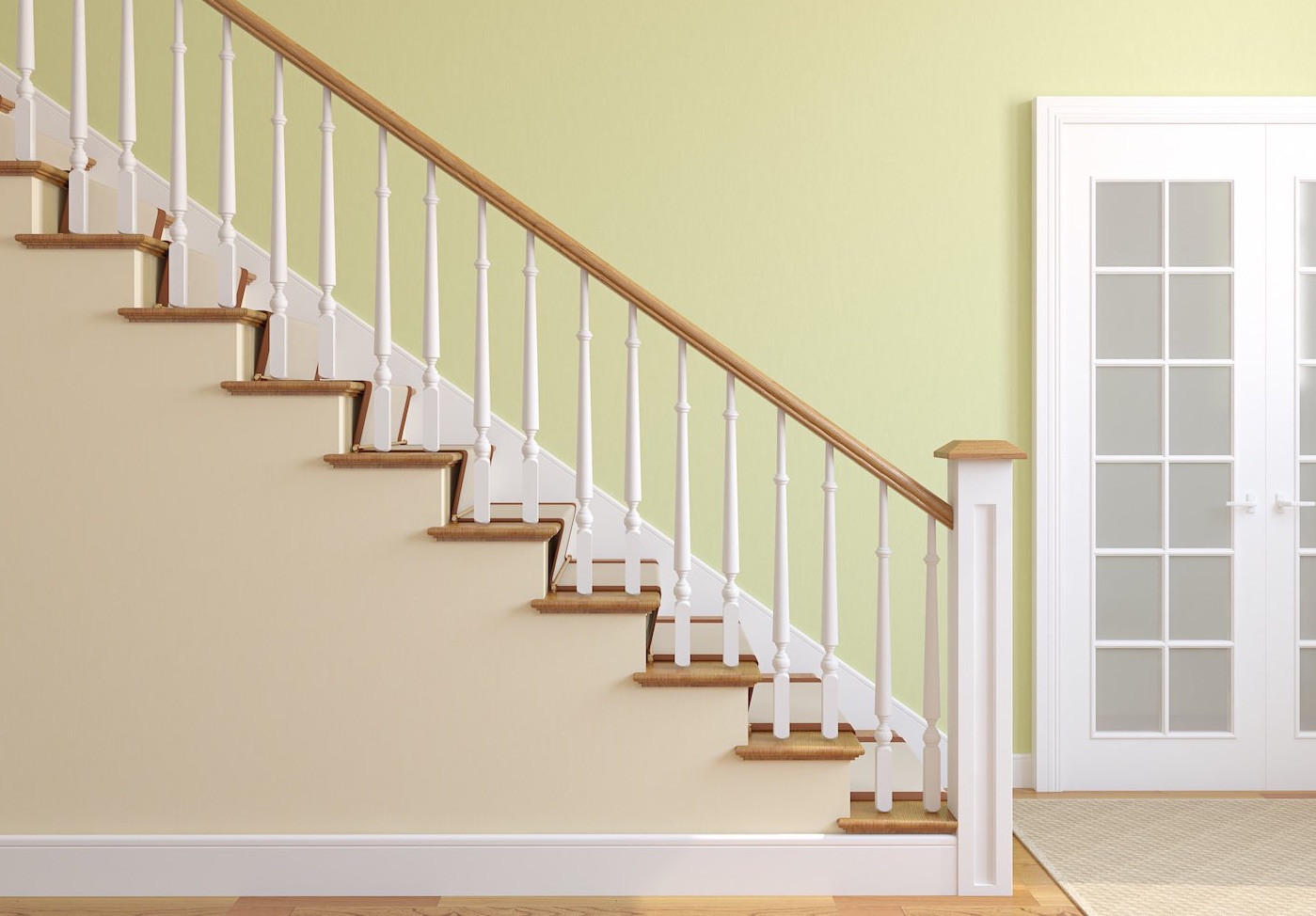
Key Stair Parts Overview


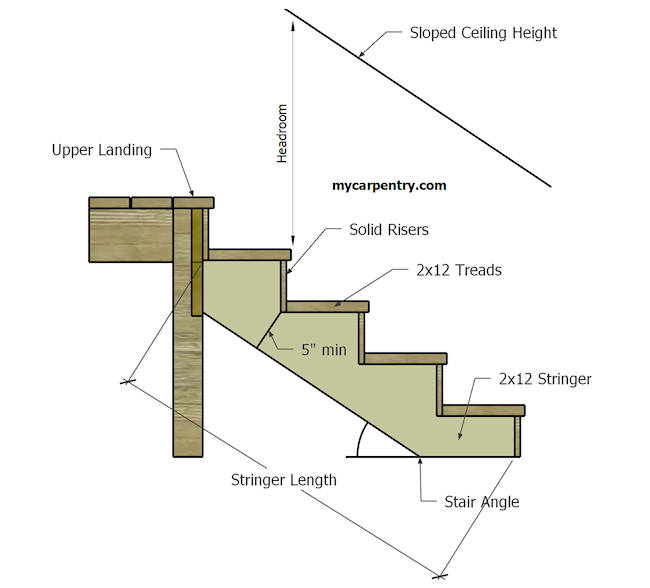
4
Total Rise – Floor-to-floor vertical height
Total Run – Horizontal space available
Riser – Vertical part of each step
Tread – Horizontal surface you step on
Stringer – Diagonal structural support
Tread Thickness – Thickness of stair boards
Understanding these components ensures accurate layout and safe construction.
How the Stair Builder Calculator Works
The calculator performs several key calculations:
1️⃣ Number of Steps
Estimated by dividing total rise by a standard 7-inch riser height:Steps≈7Total Rise
The tool ensures at least 2 steps for structural practicality.
2️⃣ Rise Per Step
Rise per Step=Number of StepsTotal Rise
Typical residential code: 4″ – 7.75″
3️⃣ Run Per Step
Run per Step=Number of Steps – 1Total Run
Typical minimum residential tread depth: 10 inches
4️⃣ Stair Angle
Angle=tan−1(RunRise)
Most comfortable residential stairs fall between 30° and 37°.
5️⃣ Stringer Length
Using the Pythagorean theorem:(Rise2+Run2)
6️⃣ Stringer Cut Calculations
- Vertical cut = Rise per step – Tread thickness
- Horizontal cut = Run per step
These values help you accurately mark stringers using a framing square.
Ideal Stair Design Guidelines
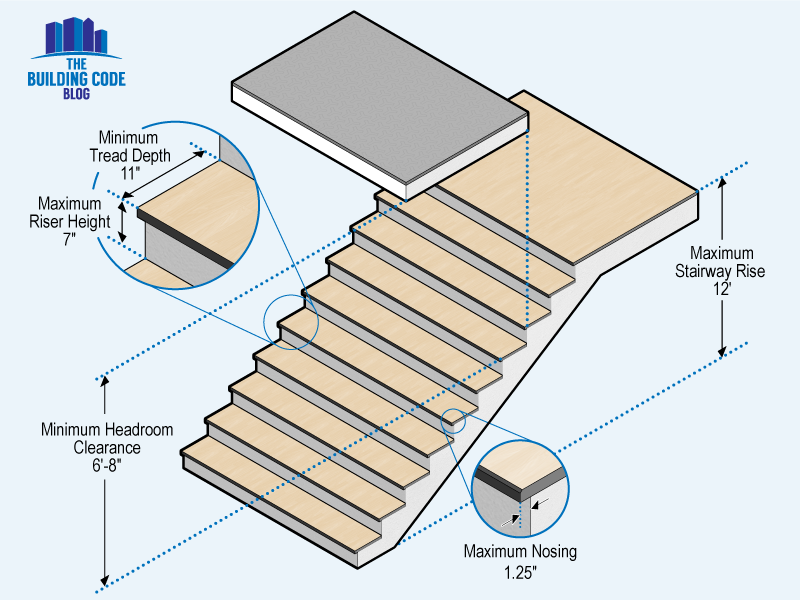
Recommended Residential Stair Dimensions

4
| Feature | Recommended Range |
|---|---|
| Rise per Step | 6.5″ – 7.5″ (max 7.75″) |
| Run per Step | ≥ 10″ |
| Angle | 30° – 37° |
| Stringers | Typically 3 for standard width stairs |
⚠ Always verify with your local building authority before construction.
Materials Calculation
The tool also provides:
- Number of Treads = Steps − 1
- Number of Risers = Total steps
- Recommended Stringers = 3 (standard residential width)
For wider stairs (36″+), additional stringers may be required.
Example Stair Calculation
Input:
- Total Rise: 108 inches (9 ft)
- Total Run: 120 inches
- Tread Thickness: 1 inch
- Stringer Width: 11.25 inches (2×12 lumber)
Results May Show:
- Steps: 15
- Rise per step: 7.2″
- Run per step: 8.6″
- Angle: ~42°
- Stringer length: ~161″
- Compliance: Run may be non-compliant
This indicates the stair may be too steep and needs more horizontal space.
Why Accurate Stair Calculations Matter
✔ Prevent inspection failures
✔ Improve safety and comfort
✔ Avoid rebuilding mistakes
✔ Reduce material waste
✔ Ensure structural strength
Incorrect stair math can lead to dangerous stairs or costly corrections.
When to Use This Stair Builder Calculator
- New home construction
- Basement finishing
- Deck stairs
- Garage or workshop builds
- Tiny homes
- Loft access stairs
- Remodeling projects
Frequently Asked Questions
1. What is the ideal stair rise?
Between 6.5″ and 7.5″ for comfort.
2. What is the minimum tread depth?
Generally 10 inches for residential code.
3. How many stringers do I need?
Most standard-width stairs use 3 stringers.
4. What lumber is used for stringers?
Typically 2×12 boards.
5. Why subtract tread thickness from vertical cut?
To ensure final installed height matches the total rise.
6. Is 45° too steep?
For residential stairs, usually yes.
7. What happens if rise is too high?
It may fail inspection and be unsafe.
8. Can I use metric units?
Yes. The calculator converts automatically.
9. Does this replace professional review?
No. Always confirm with local building codes.
10. How accurate is it?
It uses precise mathematical formulas.
Final Thoughts
Designing stairs is a balance between:
- Available space
- Safety
- Comfort
- Code compliance
Our Stair Builder Calculator provides fast, reliable calculations to help you plan, cut, and build accurately — reducing guesswork and preventing costly errors.
Before cutting your stringers, run your numbers here and build with confidence.