
Tank Sizing Calculator
Choosing the right tank size is critical for efficiency, safety, and cost savings. Whether you need a water storage tank, fuel storage tank, septic tank, rainwater harvesting system, or hot water heater, selecting the correct capacity prevents shortages, overflow, and unnecessary expenses.
Our Tank Sizing Calculator is a powerful, easy-to-use online tool that instantly calculates:
- Minimum required tank capacity (gallons)
- Recommended tank capacity (with safety factor)
- Volume in cubic feet
- Suggested cylindrical and rectangular tank dimensions
This comprehensive guide explains how the calculator works, how to use it properly, provides examples, and answers the most common questions about tank sizing.
Why Proper Tank Sizing Matters
Incorrect tank sizing can lead to serious problems:
- 🚱 Water shortages during emergencies
- ⛽ Fuel supply interruptions
- 🚽 Septic system failures
- 🌧 Rainwater overflow or under-collection
- 🚿 Insufficient hot water supply
Oversizing can also increase costs unnecessarily. The goal is balanced, efficient storage with room for safety margins — and that’s exactly what this calculator provides.
Applications Covered by the Tank Sizing Calculator
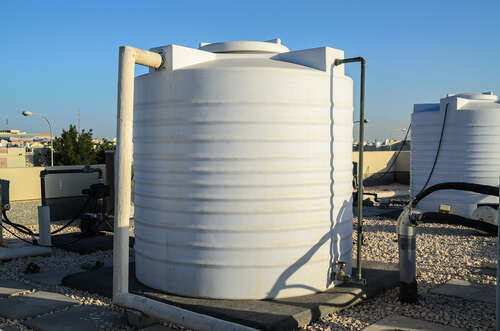
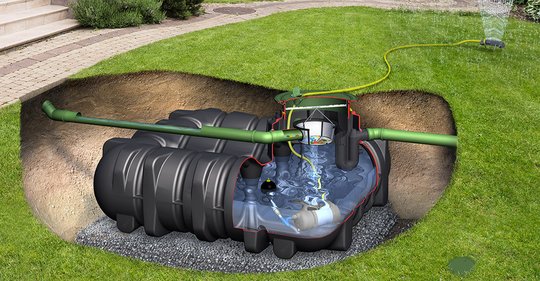
1️⃣ Water Storage Tanks

4
Water storage tanks are essential for:
- Homes in rural areas
- Emergency water supply
- Backup municipal water
- Agricultural irrigation
How It Calculates
Minimum capacity is based on:
Daily Water Usage × Storage Days
You enter:
- Daily water usage (gallons)
- Number of days you want stored
- Safety factor (optional, default 20%)
Example
If your household uses 300 gallons per day and you want 7 days of storage:
300 × 7 = 2,100 gallons minimum
With a 20% safety factor:
2,100 × 1.20 = 2,520 gallons recommended
2️⃣ Fuel Storage Tanks

4
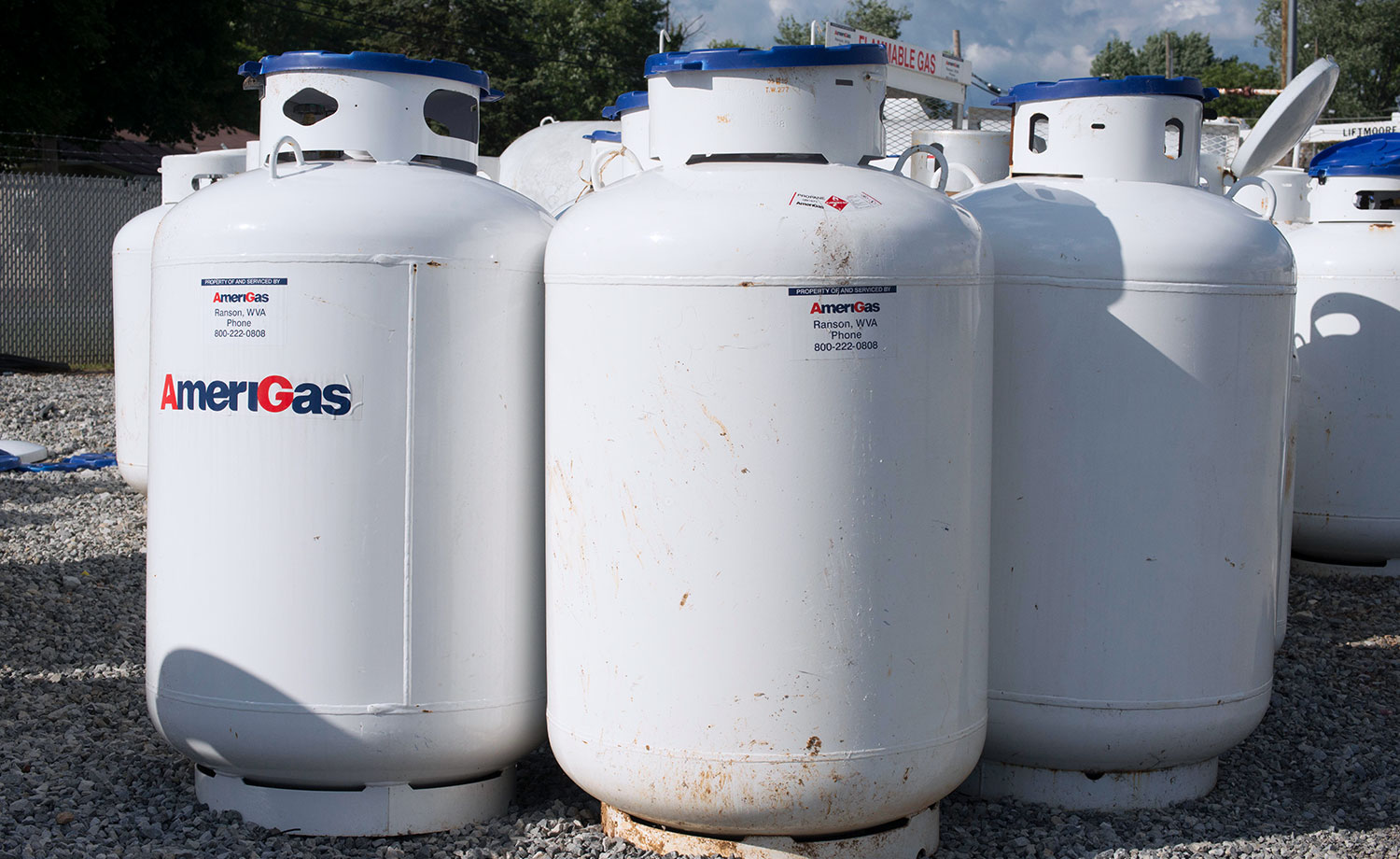
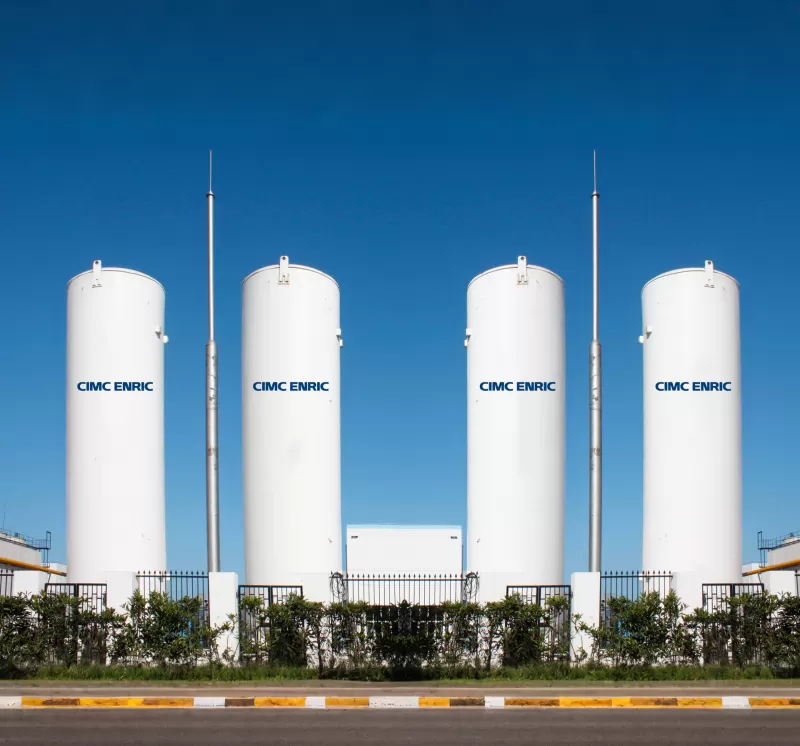
Fuel storage is common for:
- Backup generators
- Farms
- Construction sites
- Commercial buildings
How It Calculates
Minimum capacity:
Daily Fuel Consumption × Reserve Days
You input:
- Fuel type (gasoline, diesel, propane, heating oil)
- Daily usage
- Desired reserve duration
Example
If your generator consumes 10 gallons/day and you want 30 days reserve:
10 × 30 = 300 gallons minimum
Add 20% safety:
300 × 1.20 = 360 gallons recommended
Always verify local safety regulations before installing fuel storage tanks.
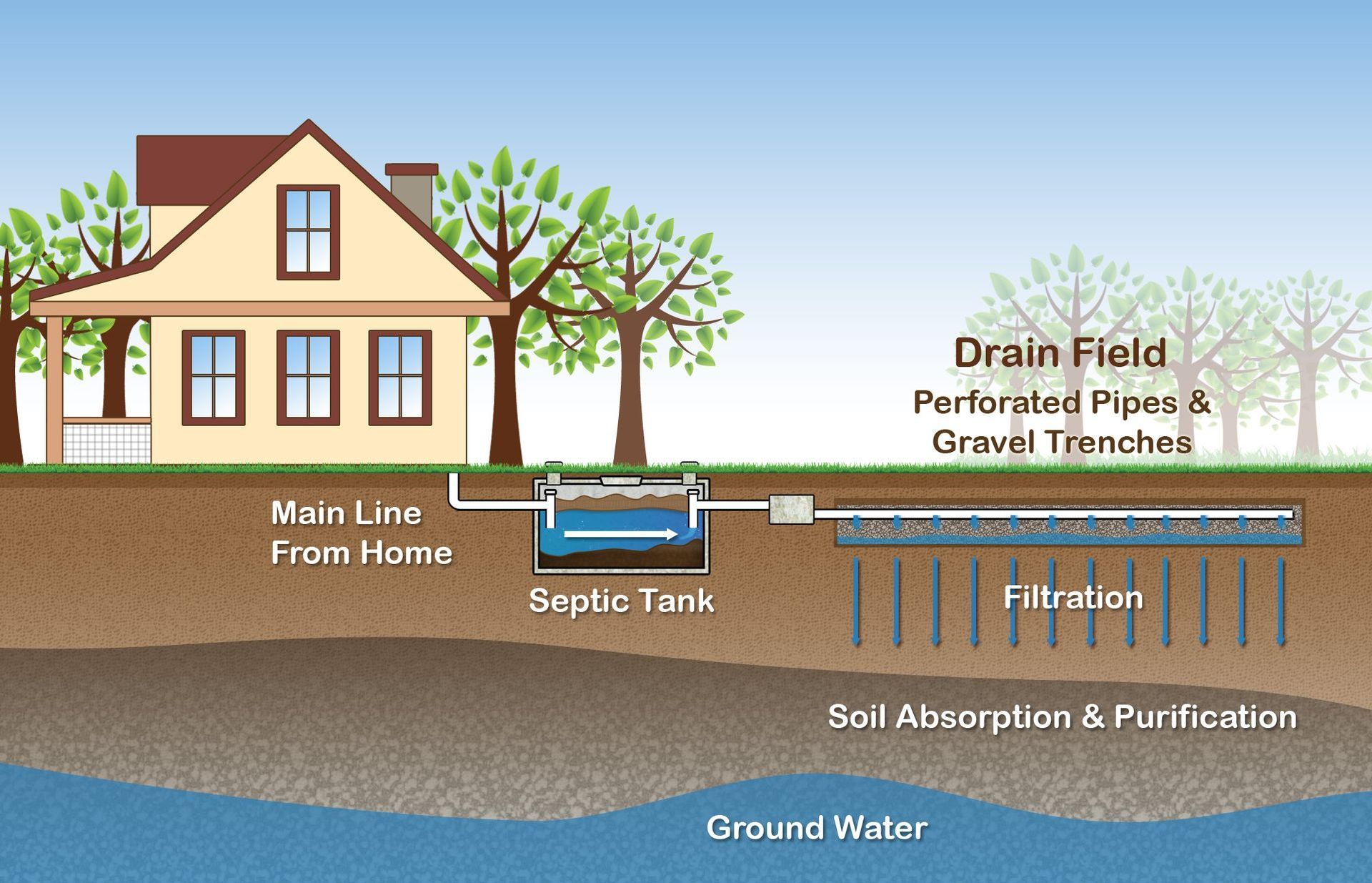
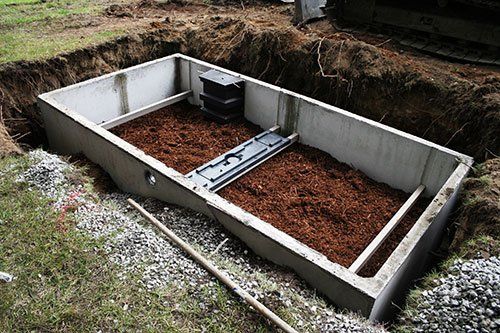
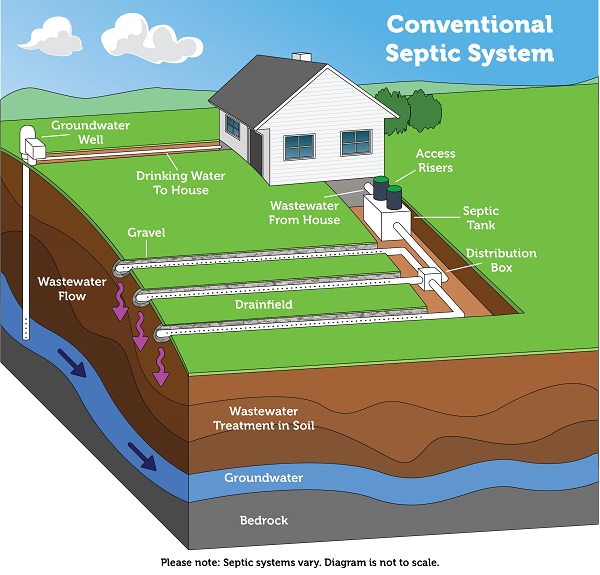
3️⃣ Septic Tank Sizing
4
Proper septic tank sizing prevents:
- System overload
- Drain field damage
- Wastewater backup
How It Calculates
The calculator uses standard residential guidelines:
Minimum = max(1000 gallons, bedrooms × 150 + occupants × 75)
Example
For:
- 3 bedrooms
- 4 occupants
(3 × 150) + (4 × 75) = 450 + 300 = 750 gallons
Minimum required: 1,000 gallons (standard minimum threshold)
With 20% safety:
1,000 × 1.20 = 1,200 gallons recommended
Always confirm with local plumbing codes.
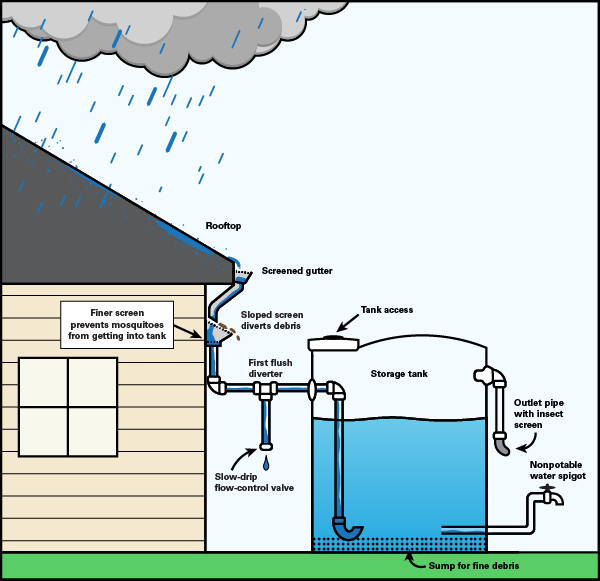
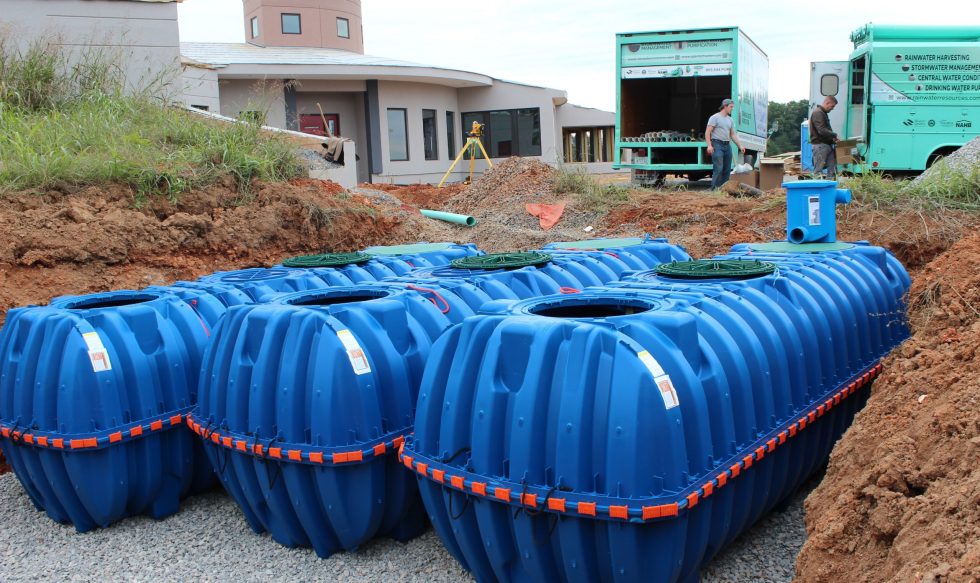
4️⃣ Rainwater Harvesting Tanks

4
Rainwater harvesting is ideal for:
- Sustainable homes
- Garden irrigation
- Off-grid systems
- Water conservation
How It Calculates
Annual collection formula:
Roof Area × Rainfall × 0.623 × Efficiency
The tool then divides by 12 for recommended monthly storage.
Example
- Roof area: 2,000 sq ft
- Rainfall: 30 inches/year
- Efficiency: 75%
Annual collection:
2,000 × 30 × 0.623 × 0.75 = ~28,035 gallons/year
Monthly recommended storage:
~2,336 gallons
Add safety factor for optimal sizing.
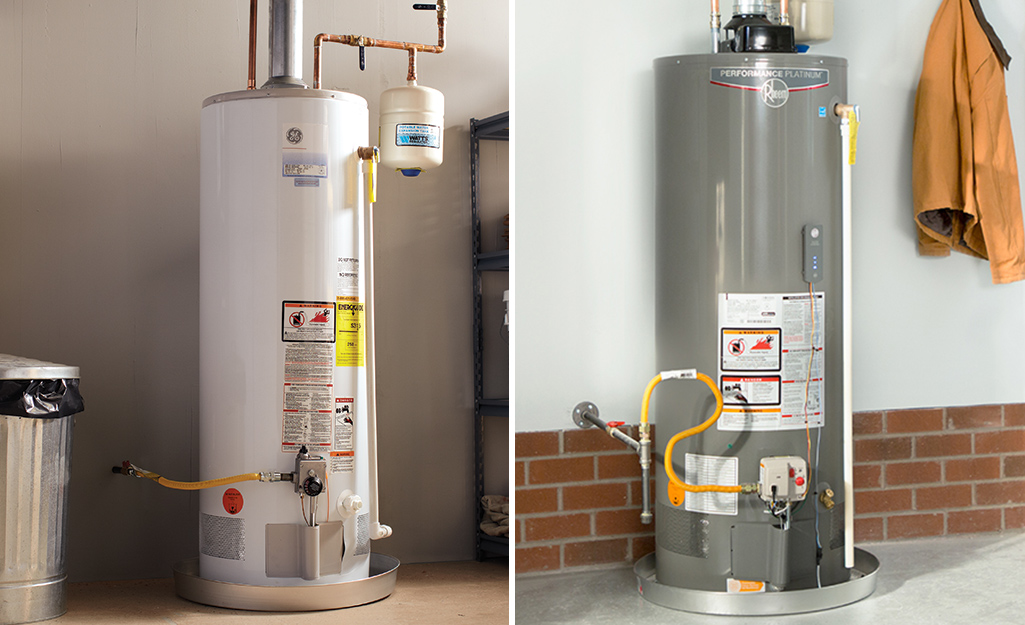
5️⃣ Hot Water Heater Tank Sizing


4
An undersized hot water heater means cold showers. An oversized one wastes energy.
Usage Patterns
- Low: 30 gal/person/day
- Medium: 40 gal/person/day
- High: 50 gal/person/day
The calculator recommends approximately 70% of daily hot water needs.
Example
Household of 4 (medium usage):
4 × 40 = 160 gallons/day
Tank recommendation:
160 × 0.7 = 112 gallons minimum
With safety factor:
112 × 1.20 = 134 gallons recommended
Understanding Safety Factor
The safety factor (default 20%) accounts for:
- Unexpected demand spikes
- Measurement inaccuracies
- Future expansion
- Seasonal variation
You can adjust this percentage depending on how conservative you want to be.
Suggested Tank Dimensions
The calculator also provides:
- Cylindrical tank dimensions
- Rectangular tank dimensions
It converts gallons into cubic feet and estimates practical dimensions for installation planning.
This saves time during:
- Contractor discussions
- Equipment purchasing
- Site layout planning
Step-by-Step: How to Use the Tank Sizing Calculator
- Select your application type
- Enter required input values
- Adjust safety factor (optional)
- Click “Calculate”
- Review minimum and recommended capacities
- Check suggested dimensions
- Reset if needed and try new values
It works instantly and requires no technical knowledge.
Benefits of Using This Tank Capacity Calculator
✅ Fast and accurate
✅ Multiple tank types in one tool
✅ Adjustable safety margin
✅ Provides volume conversion
✅ Suggests tank dimensions
✅ Works for residential and commercial use
Frequently Asked Questions (15 FAQs)
1. What is the ideal safety factor for tank sizing?
Most users choose 15–25%. 20% is a balanced standard.
2. Can I use this for commercial systems?
Yes, it works for both residential and light commercial applications.
3. Does the calculator account for local building codes?
No. Always verify local regulations.
4. How accurate is the rainwater calculation?
It uses industry-standard runoff conversion (0.623 factor).
5. Why is septic tank minimum set at 1,000 gallons?
It follows common residential minimum guidelines.
6. Can I change the storage duration?
Yes, adjust the storage days or reserve days fields.
7. Is 7 days enough for water storage?
It depends on your area and emergency preparedness needs.
8. What unit does the calculator use?
Gallons and cubic feet.
9. Does it support metric units?
Currently designed for US customary units.
10. Can I size underground tanks?
Yes. Dimensions are suggested for planning purposes.
11. Why is hot water sized at 70% of daily need?
It reflects typical heater recovery cycles.
12. Can I calculate propane tank size?
Yes, select propane under fuel storage.
13. What if my usage fluctuates?
Use a higher safety factor.
14. Is this tool free?
Yes, it is completely free to use.
15. Can contractors rely on this calculator?
It’s excellent for estimates, but final designs should be verified professionally.
Final Thoughts
The Tank Sizing Calculator simplifies complex calculations into a fast, reliable process. Whether you’re planning water storage, installing a septic system, harvesting rainwater, or selecting a hot water heater, this tool gives you instant clarity and confidence.
Accurate tank sizing saves money, improves system performance, and ensures long-term reliability. Try it today and make smarter storage decisions.